team-building activities for high school students pdf
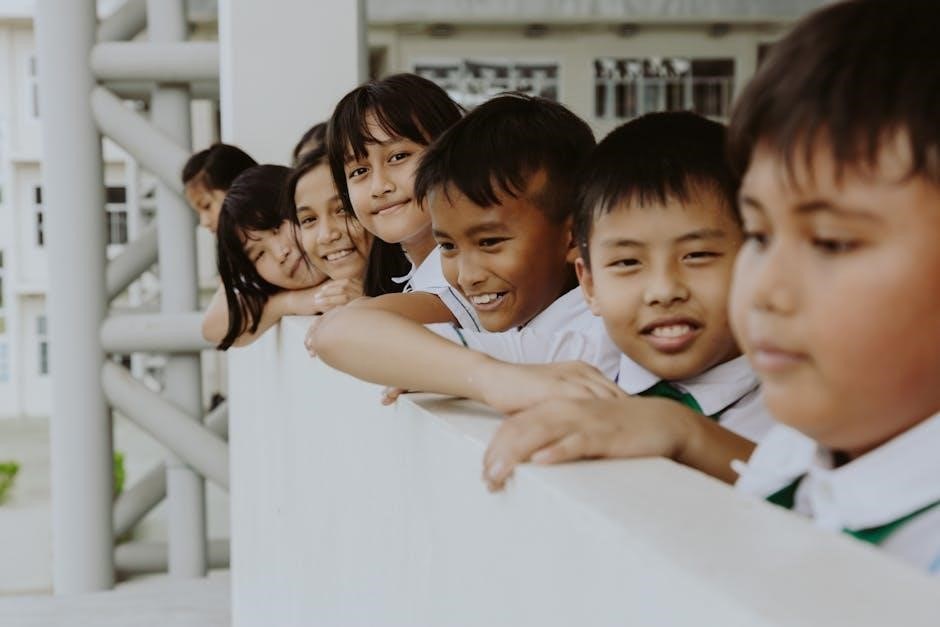
Team-Building Activities for High School Students: A Comprehensive Guide
Discover engaging‚ practical strategies to foster collaboration‚ communication‚ and leadership skills within your high school student groups – a valuable resource!
High school is a pivotal time for students‚ extending beyond academic pursuits to encompass crucial social and emotional development. Teamwork‚ a cornerstone of success in nearly every facet of life‚ becomes increasingly vital during these formative years. Learning to collaborate effectively‚ navigate diverse perspectives‚ and contribute to a shared goal prepares students for college‚ careers‚ and responsible citizenship.
Effective team-building isn’t simply about fun and games; it’s about intentionally cultivating skills like communication‚ problem-solving‚ and conflict resolution. These abilities aren’t always explicitly taught in traditional classroom settings‚ making dedicated team-building activities incredibly valuable. Furthermore‚ fostering a sense of belonging and shared purpose within a team can significantly boost student morale and engagement‚ creating a more positive and productive learning environment. This guide provides a curated collection of activities designed to achieve these outcomes.
Why Team-Building Matters for Teens
Adolescence is a period of significant change‚ marked by evolving identities and increasing social complexity. Team-building activities provide a safe and structured environment for teenagers to practice essential interpersonal skills. Specifically‚ these experiences help teens learn to actively listen‚ respectfully disagree‚ and constructively manage conflict – skills often underdeveloped but crucial for healthy relationships.
Beyond social benefits‚ team-building fosters a sense of psychological safety‚ allowing students to take risks‚ express themselves authentically‚ and learn from failures without fear of judgment. This is particularly important for teens navigating the pressures of high school. Moreover‚ participation in collaborative activities builds confidence‚ encourages empathy‚ and promotes a stronger sense of community within the school environment‚ ultimately contributing to overall well-being.
Academic Benefits of Teamwork
Teamwork isn’t solely beneficial for social development; it significantly enhances academic performance. Collaborative projects require students to articulate their ideas clearly‚ defend their reasoning‚ and consider diverse perspectives – sharpening critical thinking skills. Furthermore‚ explaining concepts to peers solidifies understanding and identifies knowledge gaps‚ promoting deeper learning for everyone involved.
Research consistently demonstrates that students engaged in team-based learning achieve higher grades and demonstrate improved problem-solving abilities. Dividing complex tasks amongst team members fosters efficiency and allows students to specialize‚ leveraging individual strengths. This mirrors real-world work environments‚ preparing students for future academic and professional challenges. Ultimately‚ teamwork cultivates a more engaging and supportive learning atmosphere‚ motivating students to excel.
Social-Emotional Growth Through Collaboration
Team-building activities provide a safe space for high school students to develop crucial social-emotional skills. Collaboration necessitates empathy‚ active listening‚ and respectful communication – fostering stronger interpersonal relationships. Students learn to navigate conflict constructively‚ compromise effectively‚ and appreciate the value of diverse viewpoints.
Participating in team challenges builds confidence and self-esteem‚ particularly for students who may be hesitant to speak up in traditional classroom settings. Successfully completing a task together cultivates a sense of belonging and shared accomplishment. Moreover‚ these experiences encourage students to take calculated risks‚ learn from failures‚ and develop resilience – essential qualities for navigating the complexities of adolescence and beyond. Ultimately‚ teamwork nurtures emotional intelligence and promotes positive social interactions;
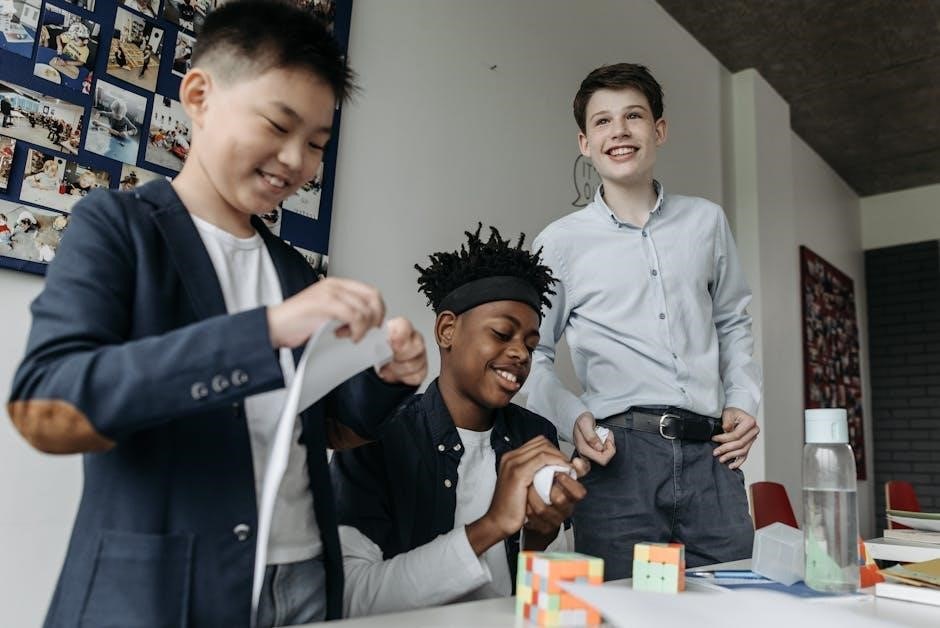
Indoor Team-Building Activities
Explore a diverse collection of engaging indoor challenges designed to enhance teamwork‚ communication‚ and problem-solving skills within the classroom environment – perfect for any day!
Communication-Focused Activities
Effective communication is the cornerstone of any successful team‚ and these activities are specifically designed to hone those crucial skills in high school students. These exercises prioritize active listening‚ clear articulation of ideas‚ and constructive feedback. They move beyond simply talking to truly connecting with one another.
We’ll delve into activities that require students to convey information accurately‚ interpret non-verbal cues‚ and navigate potential misunderstandings. The goal isn’t just to complete a task‚ but to build a shared understanding and a sense of psychological safety where everyone feels comfortable expressing themselves. These skills translate directly into improved collaboration in academic settings‚ extracurricular activities‚ and future professional endeavors. Expect increased empathy and a stronger ability to resolve conflicts peacefully.
These activities are adaptable for varying group sizes and time constraints‚ making them incredibly versatile for classroom implementation.
Two Truths and a Lie
Two Truths and a Lie is a classic icebreaker and communication game perfect for high school students. Each participant shares three “facts” about themselves – two true statements and one lie. The rest of the group then attempts to identify the falsehood. This activity encourages active listening as teammates question each other to discern authenticity.
It’s a fantastic way to foster a more relaxed and open atmosphere‚ allowing students to learn surprising things about their peers. The game promotes critical thinking skills as participants analyze statements and look for inconsistencies. It also subtly builds confidence as individuals practice presenting information and responding to inquiries.
Variations: Encourage creative and unusual “truths” to make the game more challenging. Time limits can add pressure and excitement. This activity requires minimal preparation and is suitable for any group size.
Human Knot
Human Knot is a highly engaging physical team-building activity that demands communication‚ problem-solving‚ and patience. Participants stand in a circle‚ shoulder to shoulder‚ and reach across to grab the hands of two different people – ensuring they don’t hold hands with someone directly next to them.
The challenge then becomes untangling the “knot” without releasing anyone’s hands. This requires careful coordination‚ verbal guidance‚ and a willingness to try different approaches. It’s a fantastic exercise in non-verbal communication as well‚ as students navigate the physical constraints.
Facilitator Note: Ensure ample space and a soft surface. Emphasize safety and gentle movements. This activity highlights the importance of collaborative effort and creative thinking under pressure. It’s best suited for groups of 8-20 participants.
Blind Drawing
Blind Drawing is a communication-focused activity that beautifully illustrates the challenges of conveying information accurately. Participants work in pairs; one person is the “describer” and the other is the “artist.” The describer receives a simple image (shape‚ object‚ or scene) and must verbally guide the artist to recreate it – without explicitly naming what it is!
The artist‚ with their back to the image‚ can only draw based on the describer’s instructions. This forces the describer to use precise language and the artist to actively listen and interpret. The resulting drawings are often hilariously different from the original‚ sparking discussion about effective communication.
Facilitator Note: Provide a variety of images. Encourage descriptive language focusing on shapes‚ angles‚ and relative positions. This activity emphasizes clarity‚ active listening‚ and the importance of feedback.
Problem-Solving Activities
Problem-solving activities are crucial for developing critical thinking and collaborative skills. These challenges require students to pool their knowledge‚ strategize‚ and work together to find solutions. They move beyond simple answers‚ demanding process-oriented thinking and shared responsibility.
Effective problem-solving exercises encourage students to identify the core issue‚ brainstorm potential approaches‚ evaluate options‚ and implement a plan. They learn to navigate disagreements constructively and appreciate diverse perspectives. Success isn’t always about finding the ‘right’ answer‚ but about the journey of collaborative discovery.
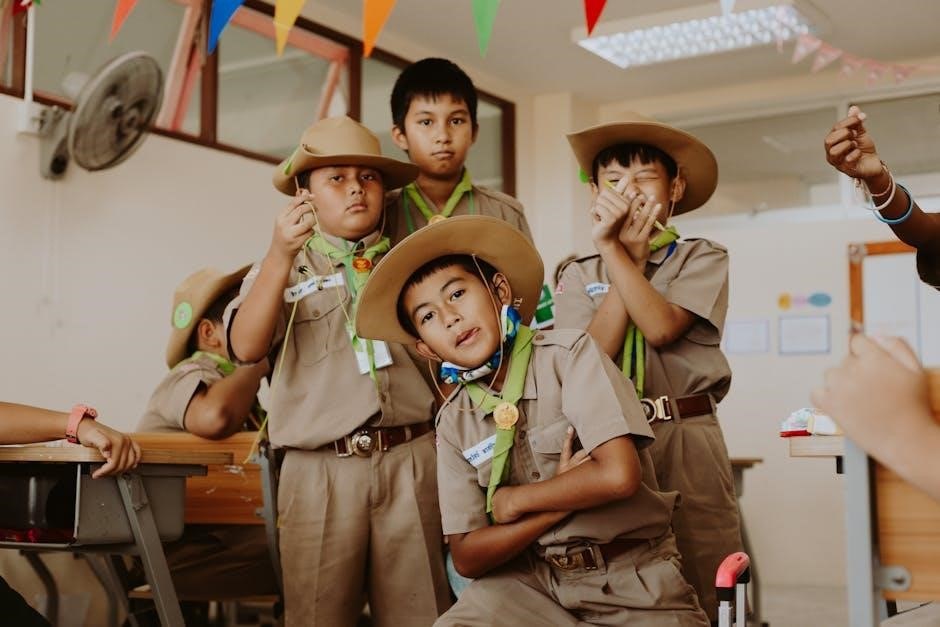
Facilitator Note: Choose problems appropriate for the group’s skill level. Emphasize the importance of documenting the process and reflecting on what was learned.
Escape Room in a Box (DIY)
Create an immersive escape room experience without the expense! A “DIY Escape Room in a Box” involves crafting a series of puzzles‚ riddles‚ and challenges that students must solve sequentially to “escape” a hypothetical scenario. This fosters intense collaboration and communication.
Themes can range from historical mysteries to futuristic scenarios‚ aligning with curriculum or student interests. Puzzles might include coded messages‚ logic problems‚ pattern recognition‚ or physical challenges requiring manipulation of objects. The key is interconnectedness – each solved puzzle reveals a clue to the next.
Tip: Start small with 3-5 puzzles. Clearly define the “escape” condition and provide hints strategically. Debriefing should focus on problem-solving strategies and team dynamics.
Marshmallow Challenge
Present teams with 20 sticks of spaghetti‚ one yard of tape‚ one yard of string‚ and a single marshmallow. The challenge? Build the tallest freestanding structure with the marshmallow on top within a set time limit – typically 18 minutes.
This deceptively simple activity highlights the importance of prototyping‚ iteration‚ and risk-taking. Teams often begin by meticulously planning‚ but successful groups quickly realize the need to build and test rapidly. It demonstrates how assumptions can hinder progress and the value of hands-on experimentation.
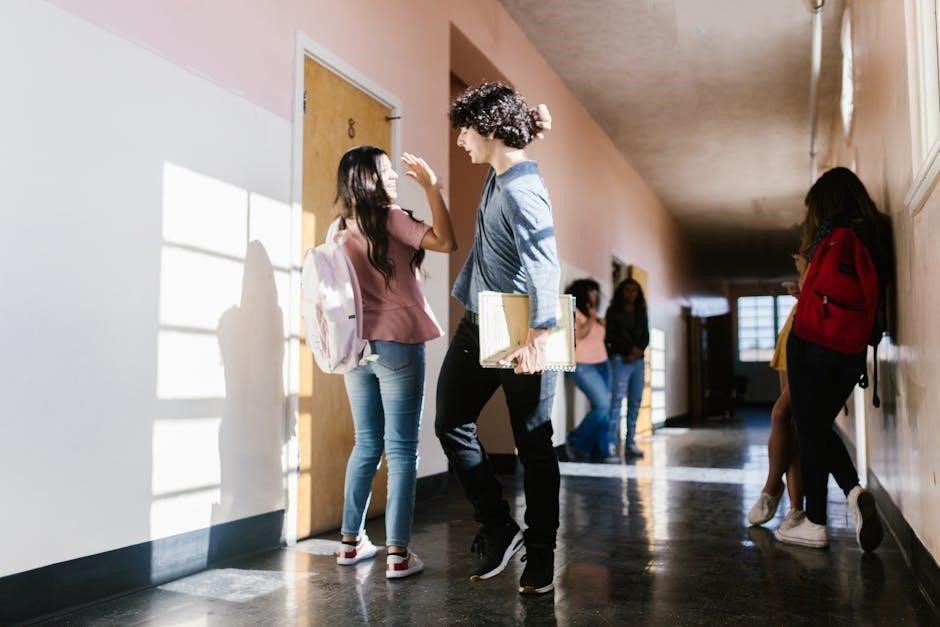
Observe how teams manage time‚ delegate tasks‚ and respond to failures. Debriefing should center on the learning process‚ not just the height of the structure.
Code Breaker Challenge
Prepare a series of coded messages using various cipher techniques – simple substitution‚ Caesar cipher‚ or even more complex methods depending on the group’s skill level. Divide students into teams and provide each with the same set of encrypted messages.
The objective is to decipher the messages as quickly and accurately as possible. This activity promotes logical thinking‚ problem-solving‚ and collaborative decoding strategies. Encourage teams to assign roles – one for pattern recognition‚ another for testing hypotheses‚ and a third for documenting progress.
Consider incorporating a theme or narrative to make the challenge more engaging. Debrief by discussing the different approaches teams used and the importance of clear communication during the decoding process.
Creative & Collaborative Activities
Unleash your students’ imaginations with activities designed to spark creativity and foster a sense of shared accomplishment. These exercises move beyond structured problem-solving‚ encouraging innovative thinking and artistic expression within a team context.
Focus on projects where individual contributions blend seamlessly into a collective outcome. This builds trust and demonstrates the power of diverse perspectives. Emphasize the process of creation‚ rather than solely focusing on the final product.
Examples include collaborative storytelling‚ designing a group mural‚ or composing a short skit. Encourage experimentation and playful exploration‚ creating a safe space for students to take risks and learn from each other’s ideas.
Story Chain
Initiate a captivating narrative adventure with the Story Chain activity! One student begins a story with a single sentence. Each subsequent student adds another sentence‚ building upon the previous contribution‚ creating a collaborative and often hilarious tale.
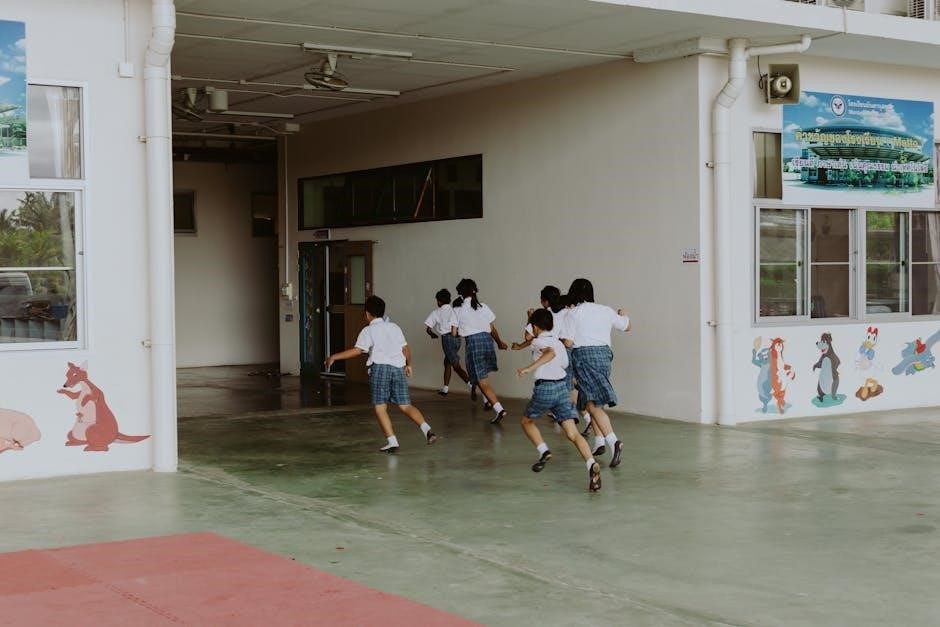
This exercise dramatically enhances listening skills‚ as students must carefully absorb the existing narrative to contribute meaningfully. It also promotes spontaneous thinking and adaptability‚ forcing participants to embrace unexpected plot twists.
To add complexity‚ introduce thematic constraints or character limitations. Consider setting a time limit for each contribution to encourage quick thinking. The resulting story is a testament to the group’s collective imagination and collaborative spirit – a fun and engaging experience!
Build a Tower (Limited Resources)
Challenge students with the Tower Build! Provide each team with a limited set of materials – think spaghetti‚ marshmallows‚ tape‚ and string. Their mission: construct the tallest freestanding tower possible within a specified timeframe.
This activity brilliantly highlights the importance of planning‚ resource management‚ and effective communication. Teams must strategize how to best utilize their limited supplies‚ often requiring compromise and innovative problem-solving.
Observe how different teams approach the challenge – some may prioritize a strong base‚ while others focus on height. Encourage discussion about structural integrity and design principles. The resulting towers‚ and the process of building them‚ offer valuable lessons in collaboration and engineering!
Improvisation Games
Unleash creativity and quick-thinking with improvisation games! These activities encourage students to think on their feet‚ build trust‚ and support each other’s ideas without pre-planning. Examples include “Yes‚ And…” where participants build upon each other’s statements‚ and “Scene in a Hat” where teams create spontaneous scenes based on prompts.
Improv fosters active listening‚ adaptability‚ and the ability to embrace failure as a learning opportunity. It’s a fantastic way to break down inhibitions and encourage risk-taking in a safe environment.
Focus on the process‚ not perfection. The goal isn’t to be funny‚ but to collaborate and create something together. These games build confidence and strengthen communication skills‚ proving invaluable beyond the classroom!
Outdoor Team-Building Activities
Embrace fresh air and physical challenges with these dynamic outdoor activities‚ designed to promote collaboration‚ leadership‚ and problem-solving skills amongst students.
Physical Challenge Activities
These activities are designed to get students moving and working together‚ requiring both individual effort and collective strategy. Obstacle Courses are fantastic for building resilience and encouraging support; teams navigate a series of physical challenges‚ fostering communication and problem-solving under pressure. A well-designed course can be adapted to various fitness levels.
Scavenger Hunts combine physical activity with critical thinking. Teams decipher clues and race to locate hidden items‚ promoting teamwork and observation skills. Consider a themed hunt to increase engagement! Capture the Flag (modified for safety‚ emphasizing strategy over aggressive tackling) encourages planning‚ communication‚ and quick thinking. Ensure clear boundaries and rules are established beforehand.
Remember to prioritize safety with proper warm-ups‚ cool-downs‚ and supervision. Adapt the difficulty of these challenges to suit the group’s abilities and ensure everyone feels included and challenged appropriately.
Obstacle Course
An Obstacle Course is a classic team-building activity that promotes physical fitness‚ problem-solving‚ and collaborative spirit. Design a course utilizing readily available materials – cones‚ ropes‚ tires‚ benches‚ and even natural elements. Challenges could include crawling under nets‚ jumping over hurdles‚ carrying objects as a team‚ or navigating a designated path while blindfolded (with a guiding teammate).
Safety is paramount. Ensure a soft landing surface where possible‚ and clearly define boundaries. Divide students into teams and emphasize the importance of supporting each other. Encourage communication and strategic planning – how will they tackle each obstacle most efficiently?
Consider incorporating elements that require specific skills‚ like teamwork to transport water without spilling or building a small structure to overcome a barrier. Debriefing should focus on communication successes and areas for improvement.
Scavenger Hunt
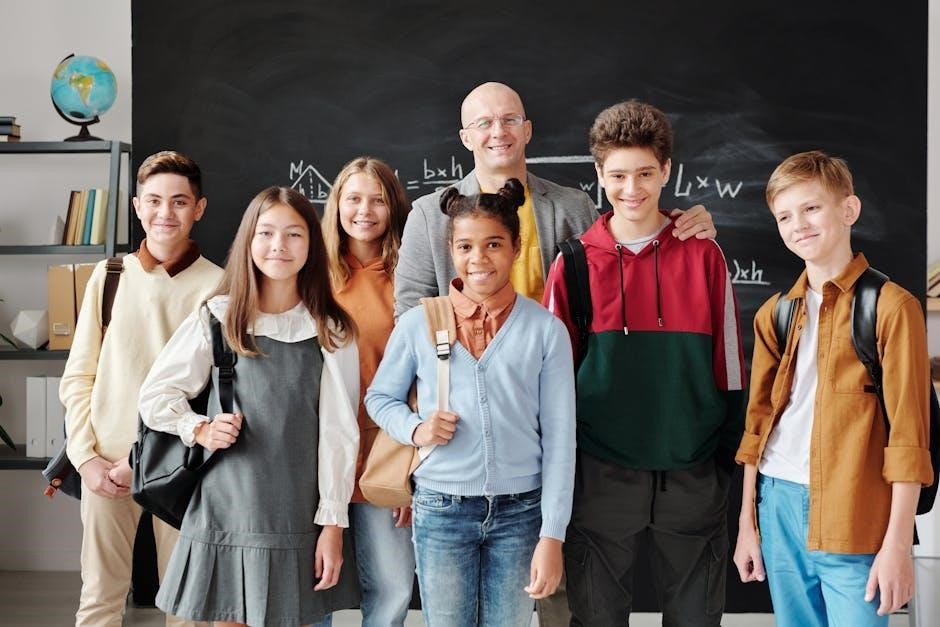
A Scavenger Hunt is a versatile and engaging activity that encourages teamwork‚ problem-solving‚ and exploration. Create a list of clues – riddles‚ trivia questions‚ or tasks – that lead teams to specific locations or items within a defined area (school grounds‚ a park‚ or even indoors). Clues can be tailored to academic subjects‚ school history‚ or general knowledge.
Consider varying the difficulty of clues to challenge different skill levels. Teams must collaborate to decipher the clues‚ navigate the area‚ and locate the items. Emphasize the importance of clear communication and dividing tasks effectively.
To add a creative twist‚ require teams to document their findings with photos or videos. Debriefing should focus on the strategies used‚ challenges encountered‚ and the importance of shared effort in achieving a common goal.
Capture the Flag (Modified for Safety)
Capture the Flag‚ a classic game‚ promotes strategic thinking‚ teamwork‚ and physical activity. However‚ traditional versions can be risky. Modify the game for high school students by establishing clear boundaries‚ designating “safe zones‚” and implementing “tagging” instead of tackling. Use brightly colored flags or bandanas as the “flags” to be captured.
Divide students into two teams‚ each with a designated territory and flag. The objective is to capture the opposing team’s flag while protecting your own. Encourage teams to develop strategies for offense and defense‚ emphasizing communication and coordination.
Prioritize safety by enforcing rules against physical contact and ensuring adequate supervision. A post-game discussion can focus on strategic decision-making‚ communication effectiveness‚ and the importance of fair play.
Strategic & Planning Activities
Strategic and planning activities challenge students to think critically‚ problem-solve collaboratively‚ and develop effective strategies. These exercises move beyond simple physical challenges‚ requiring careful consideration and coordinated execution. They are excellent for honing leadership skills and fostering a sense of shared responsibility.
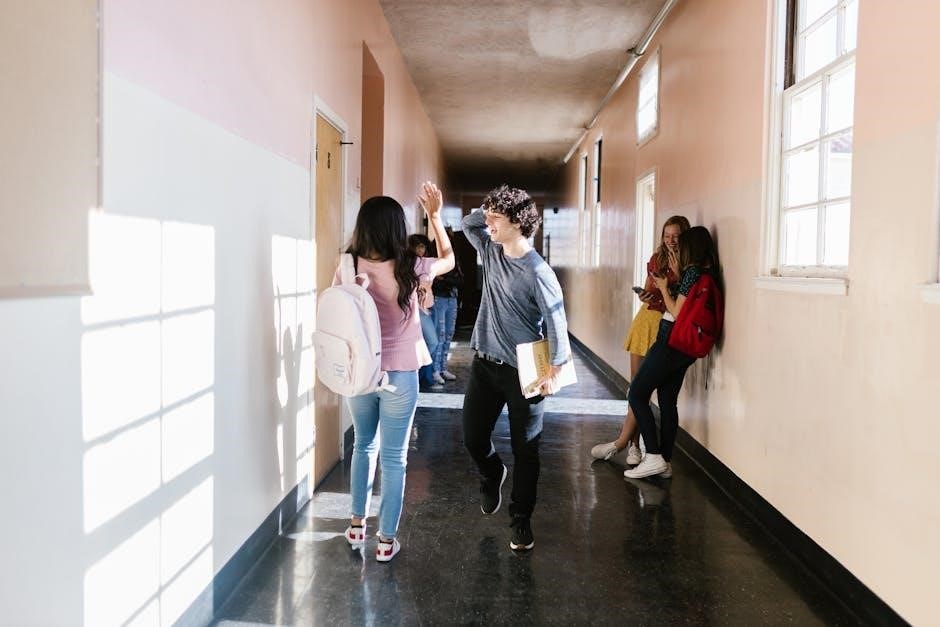
Activities like “Minefield” (described elsewhere) demand precise communication and trust. Others involve resource allocation‚ route planning‚ or designing solutions to hypothetical scenarios. Encourage students to analyze potential obstacles‚ anticipate challenges‚ and adapt their plans as needed.
Debriefing these activities is crucial. Discuss what strategies worked well‚ what didn’t‚ and why. Focus on the planning process itself – how did the team gather information‚ make decisions‚ and assign roles? This promotes metacognition and improves future teamwork.
Minefield
Minefield is a classic team-building activity focusing on trust‚ communication‚ and careful guidance. Create a “minefield” using cones‚ balls‚ or other safe obstacles scattered across a defined area. One student is blindfolded‚ and their teammates must verbally guide them through the minefield without physical contact.
Communication must be clear‚ concise‚ and patient. Teammates can only use verbal instructions – no pointing or demonstrating. The blindfolded student relies entirely on their team’s directions. Rotate roles so everyone experiences both guiding and being guided.
Safety is paramount. Establish clear boundaries and emphasize slow‚ deliberate movements. Debriefing should focus on the challenges of giving and receiving instructions‚ the importance of trust‚ and how communication breakdowns can occur. This activity highlights the need for active listening and empathetic understanding.
Human Bingo (Get-to-Know-You)
Human Bingo is an excellent icebreaker and “get-to-know-you” activity‚ encouraging students to interact and discover commonalities. Create bingo cards with squares like “Has traveled to another country‚” “Plays a musical instrument‚” or “Loves to read science fiction.”
Students mingle and find classmates who fit the descriptions‚ having them sign the corresponding square. The first student to get bingo (or a predetermined pattern) wins a small prize. Encourage students to ask follow-up questions beyond simply confirming the statement.
This activity promotes social interaction‚ active listening‚ and a sense of community. It’s particularly useful at the beginning of the year or when forming new groups. Adapt the bingo squares to align with specific interests or themes relevant to the class or team. Ensure inclusivity by avoiding overly specific or potentially sensitive prompts.
Reflection & Debriefing
Post-activity reflection is crucial for solidifying learning and transferring skills. Don’t skip the debrief! Begin by asking students about their immediate reactions – what did they enjoy‚ and what was challenging? Then‚ delve deeper into the teamwork dynamics.
Facilitate a discussion around questions like: “How did communication impact your success?” “What roles did different team members naturally assume?” “How did you handle disagreements?” “What could you have done differently?” Encourage honest and constructive feedback.
Connect the activity’s lessons back to real-world scenarios‚ such as classroom projects‚ extracurricular activities‚ or future careers. Emphasize the importance of applying these skills consistently. A brief written reflection can further reinforce learning and provide valuable insights.
Post-Activity Discussion Prompts
To maximize learning‚ use targeted discussion prompts. Start with: “What was the biggest challenge your team faced‚ and how did you overcome it?” Then‚ explore individual contributions: “What role did you play in the activity‚ and how did it feel?”
Encourage analysis of team dynamics: “How effectively did your team communicate? What could have been improved?” Probe deeper with: “Did everyone have a chance to contribute their ideas? If not‚ why?” “How did you handle differing opinions or conflicts?”
Finally‚ connect to broader skills: “How can the skills you used today be applied to academic work or other areas of your life?” “What did you learn about yourself and your teammates during this activity?” These prompts foster critical thinking and self-awareness.
Adapting Activities for Different Group Sizes
For smaller groups (under 10)‚ activities like Two Truths and a Lie or Blind Drawing work exceptionally well‚ allowing for greater individual participation and focused interaction. Increase complexity by adding time constraints or specific communication rules.
With larger groups (over 15)‚ divide students into smaller teams for activities like the Marshmallow Challenge or Escape Room in a Box. This prevents individuals from being sidelined and promotes more manageable collaboration. Consider rotating roles within teams.
Scale physical activities like Obstacle Courses by creating multiple parallel courses or modifying the challenges. Always prioritize safety and ensure adequate space. Remember to adjust the debriefing questions to address the unique dynamics of each group size.
Resources for Further Exploration (PDF Links)
Explore these comprehensive PDF resources to deepen your understanding and expand your repertoire of team-building activities. Team Building Guide for Educators offers detailed instructions and variations.
Discover 50 Icebreaker Activities‚ perfect for initiating collaboration and building rapport. For focused skill development‚ consult Communication & Collaboration Exercises.
Additionally‚ Problem-Solving Challenges for Teens provides engaging scenarios. Remember to always review materials for suitability to your students’ needs and school policies. These PDFs offer valuable support for implementing effective team-building programs.