honeywell home alarm system manual

Honeywell Home Alarm System Manual: A Comprehensive Guide
This manual details features‚ operation‚ and procedures for Honeywell Home security systems‚ ensuring correct usage and minimizing false alarms.
Honeywell Home security systems are engineered for reliable protection of your property and loved ones. This comprehensive guide provides essential information for understanding and operating your system effectively. Proper installation and diligent use are crucial for maximizing security benefits and avoiding unnecessary alarms.
These systems integrate seamlessly with smart home technology‚ offering remote control and monitoring capabilities via the Honeywell Home mobile app. The system’s design prioritizes user-friendliness‚ with clear instructions for programming‚ customization‚ and troubleshooting. Remember‚ a correctly utilized alarm system is your first line of defense.
System Components Overview
A typical Honeywell Home system includes a central control panel‚ wireless or wired sensors‚ and a keypad for arming/disarming. Keypads allow for direct system control‚ while the control panel serves as the system’s brain‚ processing signals from sensors.
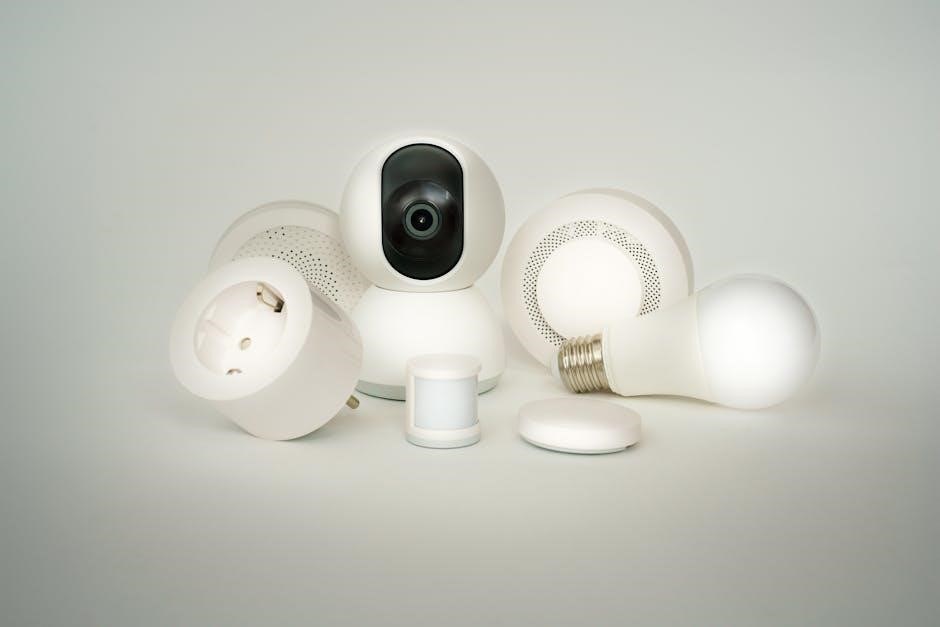
Common sensors encompass door/window contacts‚ motion detectors‚ and glass break detectors. Additional components may include sirens‚ smoke detectors‚ and carbon monoxide detectors. Understanding each component’s function is vital for effective system operation and maintenance‚ ensuring comprehensive security coverage.
Understanding the Control Panel

The Honeywell Home control panel is the central hub‚ managing all system functions. Touchscreen models‚ like the 6290W‚ offer intuitive interfaces for arming‚ disarming‚ and viewing system status. Keypads provide alternative control options.
The panel displays system alerts‚ including alarms and low battery warnings. It communicates with sensors wirelessly or via wiring‚ and often includes a backup battery for power outages. Familiarizing yourself with the panel’s layout and functions is crucial for effective system management.
Sensor Types and Placement
Honeywell Home systems utilize various sensors for comprehensive protection. Door and window sensors detect unauthorized entry‚ while motion detectors cover larger areas. Glass break detectors respond to the sound of shattering glass.
Proper sensor placement is vital; doors and windows should have sensors directly mounted. Motion detectors require unobstructed views and avoid heat sources. Strategic placement maximizes coverage and minimizes false alarms‚ ensuring reliable security for your property.
Door and Window Sensors
These sensors are fundamental to your Honeywell Home system’s security. They consist of two parts: a sensor and a magnet. Mount the sensor on the door or window frame and the magnet on the door or window itself.
When the door or window opens‚ the magnet separates from the sensor‚ triggering an alarm signal. Ensure proper alignment for reliable operation and avoid gaps exceeding the manufacturer’s specifications. Regular testing confirms functionality.
Motion Detectors
Honeywell Home motion detectors safeguard interior spaces by sensing movement. Strategically position them to cover key areas like hallways and large rooms‚ avoiding direct sunlight or heat sources which can cause false alarms.
These detectors utilize passive infrared (PIR) technology to identify changes in heat signatures. Adjust sensitivity settings to minimize pet-induced activations. Regularly test the detectors to ensure optimal performance and reliable security coverage.
Glass Break Detectors
Honeywell Home glass break detectors enhance security by identifying the sound of shattering glass. Mount these detectors on walls or ceilings near windows and glass doors‚ ensuring a clear line of sight. They are designed to differentiate between normal household sounds and the specific frequency of breaking glass.
Regularly test the detectors using the provided test methods to confirm functionality. Avoid placement near noisy appliances or areas prone to vibrations‚ which could trigger false alarms. Proper positioning is crucial for reliable detection.
System Activation and Deactivation
Activating and deactivating your Honeywell Home alarm system is crucial for security. Use the control panel or the mobile app to arm the system in Away‚ Stay‚ or Night modes‚ each offering different sensor configurations. Ensure all doors and windows are secured before arming.
To disarm‚ enter your valid user code on the keypad or through the app. Familiarize yourself with the entry/exit delay settings to avoid accidental alarms. Always confirm successful arming or disarming via the system’s display.
Arming Modes: Away‚ Stay‚ Night
Honeywell systems offer distinct arming modes for varied security needs. ‘Away’ arms all sensors‚ ideal when the home is unoccupied. ‘Stay’ arms perimeter sensors (doors/windows) but bypasses interior motion detectors‚ suitable for nighttime while occupants are inside.
‘Night’ mode often provides a customized configuration‚ potentially arming specific zones. Understanding these modes prevents false alarms and ensures appropriate protection based on your situation. Proper mode selection is vital for effective security.
Disarming the System
To disarm your Honeywell system‚ enter your valid user code on the control panel keypad within the designated entry delay period. The system will announce “Disarmed” upon successful entry. Failure to disarm within the delay triggers an alarm.
Ensure all occupants know the correct disarming procedure. Avoid rushing‚ and confirm the system’s status after entering the code. Incorrect codes or missed delays can lead to unintended alarm activations‚ requiring immediate attention.
Programming and Customization
Honeywell systems offer extensive programming options for personalized security. User codes can be added‚ deleted‚ or modified via the control panel‚ enhancing access control. Sensor naming and zone assignments allow for precise identification of alarm triggers‚ improving response efficiency.
Customization ensures the system aligns with your specific needs. Refer to the detailed programming section for step-by-step instructions. Incorrect programming may affect system functionality‚ so proceed carefully.
User Code Management
Adding and managing user codes is crucial for secure system access. Each user requires a unique code for arming‚ disarming‚ and controlling the system. The control panel allows for easy addition‚ deletion‚ and modification of these codes.
Limit the number of users with access and regularly update codes for enhanced security. Avoid easily guessable codes like birthdays or addresses. Proper user code management minimizes unauthorized access and potential security breaches.
Sensor Naming and Zones
Organizing sensors by naming and assigning them to zones simplifies system monitoring and troubleshooting. Descriptive names‚ like “Front Door” or “Living Room Window‚” provide clarity during alarm events. Zones group sensors based on location or function‚ allowing for targeted arming/disarming.
Proper zoning helps pinpoint the source of an alarm quickly‚ reducing response times. Customize these settings through the control panel for a more efficient and user-friendly security experience.
Troubleshooting Common Issues
Addressing issues promptly ensures continued system reliability. Common problems include false alarms – often caused by improper sensor placement or sensitivity – and low battery alerts requiring immediate attention. Regularly test the system to verify functionality.
Consult the manual for specific error codes displayed on the control panel. If problems persist‚ contact Honeywell Technical Support at 800-446-6444 for expert assistance and guidance.
False Alarm Prevention
Minimizing false alarms is crucial for system effectiveness and avoiding unnecessary disruptions. Ensure doors and windows are securely closed before arming the system. Adjust sensor sensitivity to avoid triggers from pets or environmental factors like moving trees.
Properly train all users on system operation and disarming procedures. Review system logs to identify recurring false alarm sources and address them accordingly. A properly maintained system reduces unwanted alerts.
Low Battery Alerts
The system provides low battery alerts for sensors and the control panel to ensure continuous operation. These alerts typically appear on the touchscreen and may also be sent via the Honeywell Home mobile app as push notifications.
Replace batteries immediately upon receiving a low battery alert; Ignoring these warnings can compromise system security. Use only approved battery types as specified in the system documentation. Regular battery checks are recommended.
Connecting to Honeywell Home Mobile App
The Honeywell Home mobile app enables remote control and monitoring of your security system. Download the app from your device’s app store and follow the on-screen instructions to create an account or log in.
Pairing the app with your system usually involves scanning a QR code or entering the system’s unique identifier. Once connected‚ you can arm‚ disarm‚ and view system status from anywhere with an internet connection.
Remote Control Features
The Honeywell Home app provides comprehensive remote control capabilities. Arm or disarm your system in Away‚ Stay‚ or Night modes directly from your smartphone or tablet‚ regardless of your location.
You can bypass specific sensors‚ view real-time system status‚ and access event history. The app also allows you to manage user codes‚ receive alerts‚ and control connected smart home devices‚ offering complete security oversight.
Push Notifications
Honeywell Home’s push notifications deliver instant alerts directly to your mobile device. Receive immediate updates regarding alarm events‚ sensor activity (door/window openings‚ motion detection)‚ and system status changes – like arming or disarming.
Customize notification preferences to prioritize alerts based on your needs. Low battery warnings and system trouble signals are also delivered via push notifications‚ ensuring proactive maintenance and consistent security coverage.
Fire Alarm Procedures
In a fire emergency‚ your Honeywell system prioritizes life safety. A “FIRE” message will prominently display on the touchscreen and remain visible until manually silenced. Immediately evacuate all occupants and contact emergency services.
If you discover a fire before detection‚ utilize the touchscreen’s panic key programmed for “FIRE” emergencies; hold it down to activate the alarm. Remember‚ swift evacuation is paramount; the system aids notification‚ but doesn’t replace safe practices.
Responding to a Fire Alarm
Upon a fire alarm activation‚ immediate action is crucial. Prioritize evacuating all individuals from the premises‚ utilizing pre-planned escape routes. Do not attempt to retrieve belongings‚ as this delays safe exit. Once safely outside‚ contact emergency services – provide your address and details.
Do not re-enter the building until authorized by firefighters. The system’s alarm will continue until silenced via the touchscreen‚ but safety remains the primary concern.
Manual Fire Alarm Activation
In a fire emergency‚ even before detectors activate‚ manual alarm initiation is vital. Locate the nearest touchscreen panel. If programmed by your installer‚ a “panic key” is assigned for FIRE emergencies. Press and hold this designated key to immediately trigger the alarm sequence.
This sends a signal to the monitoring center‚ dispatching emergency services. Ensure all occupants are alerted and begin evacuation procedures immediately after manual activation.
Battery Backup and Power Failures
Your Honeywell Home alarm system includes a battery backup to ensure continued operation during power outages. Upon detecting a power failure‚ the system automatically switches to battery power‚ maintaining security.
Regularly test the system to confirm battery functionality. Low battery alerts will appear on the touchscreen; promptly replace batteries to avoid system compromise. The backup provides temporary power‚ so restoring main power is crucial for long-term security.
System Maintenance and Care
To ensure optimal performance‚ regular system maintenance is essential. Gently clean sensors with a dry cloth to remove dust and debris‚ avoiding harsh chemicals.
Periodically test all sensors – door‚ window‚ and motion – to verify proper functionality. Conduct a full system test monthly‚ including activating and disarming. Replace batteries proactively when low battery alerts appear. Proper care extends the lifespan and reliability of your Honeywell Home security system.
Cleaning Sensors
Maintaining clean sensors is crucial for accurate detection. Use a soft‚ dry cloth to gently wipe down all sensor surfaces‚ removing dust‚ dirt‚ and cobwebs.
Avoid using water‚ cleaning solutions‚ or abrasive materials‚ as these can damage the sensitive components. Pay particular attention to the lens of motion detectors and the contact points of door/window sensors. Regular cleaning ensures reliable performance and minimizes false alarms caused by obstructions.
Testing the System Regularly
Routine system testing verifies proper functionality and ensures your security. Perform a walk-test monthly‚ activating each sensor to confirm communication with the control panel.
Check the siren’s audibility from all areas of your home. Verify that the system correctly reports alarms to the monitoring center (if applicable). Document test results and address any issues promptly. Consistent testing provides peace of mind and confirms your system’s readiness in an emergency.
Advanced Features and Settings
Customize your Honeywell system for optimal performance. Adjust siren volume to suit your preferences and neighborhood regulations. Fine-tune entry/exit delay settings to prevent false alarms while allowing sufficient time to arm or disarm the system.
Explore advanced programming options for specialized sensor configurations and zone definitions. These settings enhance security and tailor the system to your specific needs‚ maximizing its protective capabilities.
Siren Volume Adjustment
Control the loudness of your alarm siren. Access the system settings via the control panel to adjust the siren volume. Options typically range from low to high‚ allowing you to select a level appropriate for your environment and local ordinances.

Consider your neighborhood’s noise levels and potential disturbances when setting the volume. A louder siren provides greater deterrence‚ while a lower volume minimizes disruption to neighbors.
Entry/Exit Delay Settings
Customize timing for arming and disarming. Entry delays grant time to disarm the system upon entering‚ preventing false alarms. Exit delays allow you to leave the premises before the system arms. Adjust these settings via the control panel’s programming menu.

Shorter delays offer quicker response‚ while longer delays provide more convenience. Consider your routine and potential for accidental triggers when configuring these crucial settings.
Honeywell Technical Support Contact Information
For assistance with your Honeywell Home alarm system‚ reach out to their dedicated support team. You can contact Honeywell Technical Support at 800-446-6444. This resource is invaluable for troubleshooting issues not covered in this manual‚ programming questions‚ or system malfunctions.
Ensure you have your system model number and date of purchase available when calling for faster‚ more efficient support. Online resources and FAQs may also be available on the Honeywell Home website.
Understanding System Logs and History
Your Honeywell Home system diligently records events‚ providing a valuable history for review. Accessing system logs allows you to examine arming/disarming times‚ sensor activations‚ and any alarm occurrences. This information is crucial for identifying patterns‚ troubleshooting issues‚ and verifying system performance.
Reviewing the history can help determine the cause of false alarms or confirm that the system is responding correctly to potential threats. Consult your control panel’s interface for log access.
Integration with Smart Home Devices
Honeywell Home systems offer seamless integration with various smart home platforms‚ enhancing convenience and automation. Connect your alarm to devices like smart lights‚ thermostats‚ and voice assistants for a unified home security experience.
Control your system remotely via voice commands or automate actions based on alarm status – for example‚ turning on lights upon intrusion detection. Explore compatible devices for a truly connected home.

Frequently Asked Questions (FAQ)
Here are answers to common questions regarding your Honeywell Home Alarm System. Why is my system beeping? Check for low batteries or a zone fault. How do I reset a false alarm? Enter your valid user code.
Can I add more sensors? Yes‚ contact your installer or Honeywell support. What if my system loses power? The battery backup will activate. For further assistance‚ consult the full manual or contact technical support.
Safety Precautions and Warnings
Important safety information for your Honeywell Home Alarm System. This system contains static-sensitive components; always ground yourself before handling circuits. Use static suppressive packaging for protection.
Regularly test the system to ensure proper functionality. Avoid modifying the system beyond programmed settings. Improper use can lead to malfunctions or false alarms. Contact Honeywell support for any complex issues or concerns regarding system safety.