life in the iron mills pdf

Life in the Iron Mills, penned by Rebecca Harding Davis in 1861, offers a stark portrayal of 19th-century industrial America, readily available as a PDF.
Historical Context: 19th-Century Industrial America
The 19th century in America witnessed a rapid and transformative industrial revolution. The rise of factories, particularly iron mills, dramatically reshaped the nation’s social and economic landscape. Life in the Iron Mills, often found as a PDF resource for study, accurately reflects this era’s harsh realities.
This period was marked by grueling working conditions, widespread poverty, and significant social inequality. Immigrant laborers, like those depicted in Davis’s novella, faced immense hardship. The iron industry, a cornerstone of this growth, demanded relentless physical labor and offered little in the way of worker protection or fair wages. Understanding this historical backdrop is crucial when exploring the themes presented within the text, easily accessible in its PDF format.
Rebecca Harding Davis: Author Biography
Rebecca Harding Davis (1831-1908) was a pioneering American journalist, novelist, and short story writer, celebrated for her realistic portrayals of American life. Her most enduring work, Life in the Iron Mills, frequently studied via readily available PDF versions, shocked readers with its unflinching depiction of industrial labor.
Davis’s own background informed her writing; she keenly observed the social inequalities of her time. She used her platform to advocate for social reform and to give voice to the marginalized. Her commitment to realism and her empathetic portrayal of working-class individuals cemented her place as a significant figure in American literary history. Exploring her life enhances appreciation for the novella, often found as a convenient PDF download.
Setting and Atmosphere
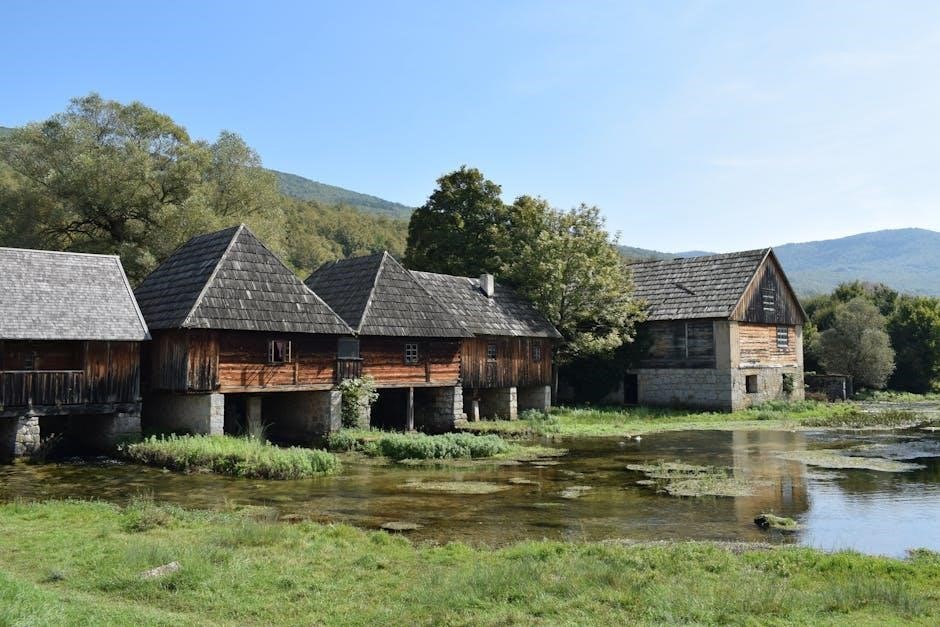
Life in the Iron Mills unfolds in a bleak, 19th-century Pennsylvania iron town, vividly described—often explored through accessible PDF copies—creating a suffocating atmosphere.
The Iron Mills Town: A Detailed Description
The town surrounding the iron mills, as depicted in Rebecca Harding Davis’s novella—often studied via readily available PDF versions—is a relentlessly grim and polluted landscape. A perpetual “cloudy day” hangs over it, not from weather, but from the smoke and grime of the furnaces.
Housing is described as cramped and squalid, offering little respite from the harsh labor. The air itself is “thick, clammy,” and oppressive, impacting the health of the inhabitants. The physical environment mirrors the spiritual and emotional decay of the workers, trapped in a cycle of poverty and exhaustion. This detailed setting, easily accessible through digital formats, underscores the story’s central themes of industrial hardship and social injustice.
The Significance of the “Cloudy Day” Motif
The recurring “cloudy day” motif in Rebecca Harding Davis’s Life in the Iron Mills—a story frequently accessed as a PDF—extends far beyond mere weather description. It symbolizes the suffocating atmosphere of industrial life, a perpetual gloom mirroring the workers’ despair and lack of opportunity.
This oppressive sky, “muddy, flat, immovable,” represents the weight of societal forces trapping individuals like Hugh Wolfe and Deborah Weymouth. It’s a visual manifestation of hopelessness, obscuring any potential for beauty or transcendence. The motif reinforces the story’s bleak realism and emphasizes the dehumanizing impact of industrialization, powerfully conveyed even in digital readings.

Characters
Life in the Iron Mills, often studied via PDF versions, features compelling characters like Hugh Wolfe and Deborah Weymouth, grappling with harsh realities.
Hugh Wolfe: The Protagonist and His Aspirations
Hugh Wolfe, the central figure in Rebecca Harding Davis’s Life in the Iron Mills – frequently accessed as a PDF for academic study – embodies the thwarted potential within a brutal industrial system. He’s a physically imposing ironworker, yet possesses a keen artistic sensibility and a longing for intellectual and aesthetic fulfillment.
Despite his strength, Wolfe feels trapped by his circumstances, yearning to transcend the limitations imposed by his social class and the demanding labor. He dreams of sculpting, creating beauty from the very material that defines his oppressive existence. This internal conflict, readily apparent when examining the text in PDF format, fuels his frustration and ultimately contributes to the novella’s tragic outcome. His aspirations highlight the story’s central theme of unrealized potential.
Deborah Weymouth: The “Korl Woman” and Her Sacrifice
Deborah Weymouth, known as the “Korl Woman” – a figure powerfully depicted in Rebecca Harding Davis’s Life in the Iron Mills, often studied via readily available PDF versions – represents profound self-sacrifice. She endures a life of hardship and exploitation within the iron mills, bearing the physical and emotional scars of relentless labor and societal neglect.
Deborah’s ultimate act is a desperate attempt to alleviate the suffering of those she loves, particularly Hugh Wolfe. Her sacrifice, tragically detailed within the PDF text, underscores the limited options available to women in 19th-century industrial society. She embodies the devastating consequences of poverty and the lengths to which individuals will go for those they cherish, even at the cost of their own well-being.
Kirk and Janey: Representing Different Social Classes
Kirk and Janey, characters vividly portrayed in Rebecca Harding Davis’s Life in the Iron Mills – a text frequently accessed as a PDF – embody the stark social stratification of 19th-century America. Kirk, a representative of the mill-owning class, possesses economic power and privilege, largely oblivious to the suffering endured by the laborers.
Conversely, Janey, though possessing a degree of refinement, is constrained by her limited social standing and economic dependence. Their interactions, detailed within the PDF narrative, highlight the vast chasm separating the wealthy and the working class. Davis uses these characters to critique the societal structures that perpetuate inequality and limit opportunities based on birth and circumstance, offering a poignant social commentary.

Plot Summary
Life in the Iron Mills, often read as a PDF, details the harsh lives of ironworkers, focusing on Hugh Wolfe’s artistic aspirations and Deborah’s tragic sacrifice.
The Initial Depiction of Life in the Mills
Life in the Iron Mills, frequently accessed as a PDF, immediately immerses the reader in the grim reality of a 19th-century iron mill town. Davis paints a bleak picture, beginning with a description of a perpetually overcast sky, symbolizing the oppressive atmosphere. The narrative introduces us to the grueling labor conditions endured by workers like Hugh Wolfe and his cousin, Deborah.
The opening passages emphasize the physical and emotional toll of the work, highlighting the poverty, disease, and brutal treatment faced by the laborers. This initial depiction isn’t romanticized; it’s raw and unflinching, showcasing the dehumanizing effects of industrialization. The story establishes the mills not merely as workplaces, but as environments that actively diminish the lives of those within them, a theme readily apparent even in a PDF version.
Hugh Wolfe’s Artistic Talent and Frustration
Life in the Iron Mills, often studied through readily available PDF copies, centers on Hugh Wolfe, a physically strong but intellectually restless ironworker. He possesses a latent artistic talent, capable of sculpting remarkable figures from clay dug from the riverbank. However, his potential is stifled by his environment and social standing.
Wolfe’s frustration stems from his inability to access education or opportunities to develop his skills. He’s acutely aware of the beauty he can create, yet trapped in the cycle of brutal labor. This internal conflict is a core element of the novella, powerfully conveyed even when reading a PDF. His artistic aspirations represent a yearning for something beyond the harsh realities of his existence, a desire tragically unfulfilled.
Deborah’s Love and Self-Sacrifice
Deborah Weymouth, often explored in detail within accessible PDF versions of Life in the Iron Mills, embodies profound self-sacrifice. Known as the “Korl Woman” due to her physical disfigurement, she harbors a deep, unrequited love for Hugh Wolfe. Her devotion drives her to desperate measures, seeking to improve his life despite her own suffering.
Deborah’s ultimate act is to steal money, intending to provide Hugh with a chance for education and escape from the mills. This selfless gesture, examined closely when studying the PDF, highlights the novella’s themes of social injustice and the limited options available to women. Her sacrifice is both heartbreaking and a powerful indictment of the era’s societal constraints.
The Tragic Climax and Its Aftermath
The climax of Life in the Iron Mills, thoroughly detailed in readily available PDF copies, centers around Deborah’s desperate act and its devastating consequences. Her theft is discovered, leading to a violent confrontation and ultimately, her death. This tragic event underscores the brutal realities faced by the working class.
Hugh, initially hopeful due to Deborah’s sacrifice, is left shattered and disillusioned. The aftermath, explored within the PDF, reveals the futility of his artistic aspirations within such a harsh environment. The story concludes with a sense of bleakness, emphasizing the cyclical nature of poverty and the limited possibilities for social mobility, leaving a lasting impact on the reader.

Themes
Life in the Iron Mills, accessible as a PDF, explores industrialization’s impact, social inequality, art’s role, and gendered sacrifice within a harsh world.
Industrialization and Its Impact on Labor
Life in the Iron Mills, often studied via readily available PDF versions, vividly depicts the brutal realities of 19th-century industrial labor. Davis showcases the dehumanizing effects of factory work, where individuals are reduced to mere cogs in a relentless machine.
The novella highlights the physical and emotional toll exacted upon workers like Hugh Wolfe and Deborah Weymouth, trapped in cycles of poverty and grueling conditions. It exposes the lack of worker protections and the exploitation inherent in the burgeoning iron industry. The story doesn’t shy away from portraying disease, dangerous environments, and the suppression of individual potential, all consequences of unchecked industrial growth.
Through its detailed descriptions, the work serves as a powerful critique of a system prioritizing profit over human well-being, a theme still resonant today.
Social Class and Inequality
Life in the Iron Mills, accessible in PDF format, powerfully illustrates the rigid social stratification of 19th-century America. Davis contrasts the lives of the working class – exemplified by Hugh and Deborah – with the relative comfort and privilege of figures like Kirk and Janey.
The novella exposes the limited opportunities for social mobility, demonstrating how poverty and circumstance trap individuals within their designated class. It highlights the stark inequalities in access to education, leisure, and even basic necessities.
Deborah’s sacrifice underscores the desperation and limited choices available to those at the bottom of the social hierarchy. The story critiques a system that perpetuates injustice and denies dignity to those deemed “lesser,” prompting reflection on enduring societal disparities.
The Role of Art and Beauty in a Harsh World
Life in the Iron Mills, obtainable as a PDF, explores the yearning for beauty and artistic expression amidst brutal industrial conditions. Hugh Wolfe’s sculpting talent represents a desperate attempt to transcend the ugliness and monotony of his environment.
Davis suggests that art offers a potential avenue for meaning and escape, yet simultaneously highlights the limitations imposed by social class. Hugh’s creativity is stifled by his lack of resources and societal constraints.
The novella questions whether beauty can truly flourish in a world dominated by exploitation and suffering, or if it becomes another form of unattainable desire for the oppressed.
Gender Roles and Female Sacrifice
Life in the Iron Mills, accessible as a PDF, powerfully depicts the constrained roles assigned to women and the sacrifices they endure. Deborah Weymouth, the “Korl Woman,” embodies this through her selfless act, sacrificing her own potential happiness for Hugh Wolfe’s artistic advancement.
Davis critiques the societal expectations that limit women’s opportunities and force them into positions of subservience. Deborah’s physical and emotional toll illustrates the harsh realities faced by working-class women.
The novella questions the prevailing notions of femininity and explores the devastating consequences of prioritizing male ambition over female agency.

Literary Devices
Life in the Iron Mills, often found as a PDF, masterfully employs realism, naturalism, symbolism, and vivid imagery to convey its powerful message.
Realism and Naturalism in Davis’s Writing
Rebecca Harding Davis’s Life in the Iron Mills, frequently accessed as a PDF, is a cornerstone of both realism and naturalism in American literature. Davis meticulously depicts the brutal realities of working-class life, avoiding romanticization and focusing on the harsh conditions within the iron mills.
Her naturalistic approach highlights the influence of environment and heredity on the characters’ fates, portraying them as products of their circumstances. The story doesn’t shy away from depicting poverty, disease, and the dehumanizing effects of industrial labor. This unflinching portrayal, readily available in the PDF version, distinguishes Davis’s work and cemented its place as a significant social commentary.
Symbolism: The Iron Mills as a Metaphor
In Rebecca Harding Davis’s Life in the Iron Mills, easily found as a downloadable PDF, the iron mills themselves function as a powerful and multifaceted symbol. They represent not only the harsh realities of industrial labor but also the societal forces that trap individuals in cycles of poverty and despair.
The relentless, consuming nature of the mills mirrors the dehumanizing impact of industrialization on the human spirit. The “cloudy day” motif, prominent throughout the PDF text, symbolizes the oppressive atmosphere and lack of hope. The iron itself embodies both the potential for creation and the destructive power of unchecked industrial growth, a central theme explored within the novella.
Imagery and Sensory Details
Rebecca Harding Davis masterfully employs vivid imagery and sensory details in Life in the Iron Mills, readily accessible as a PDF. The novella immerses readers in the gritty, oppressive environment of the iron mills through descriptions of the “muddy, flat, immovable” sky and the “thick, clammy” air.
These details aren’t merely descriptive; they evoke a visceral response, mirroring the characters’ physical and emotional burdens. The PDF reveals how Davis utilizes tactile imagery – the feel of soot, the heat of the furnaces – and auditory details – the clang of metal – to create a powerfully realistic and unsettling atmosphere, emphasizing the dehumanizing effects of industrial labor.

Critical Reception and Legacy
Life in the Iron Mills, now widely available as a PDF, was initially impactful in 1861 and remains a seminal work of American literature.
Initial Reactions to the Story in 1861
Upon its 1861 publication in The Atlantic Monthly, Rebecca Harding Davis’s Life in the Iron Mills provoked a significant, and often conflicted, response. Readers were deeply disturbed by its unflinching depiction of the brutal realities faced by working-class individuals in 19th-century industrial America. The novella’s raw realism, a departure from prevailing romanticized narratives, challenged societal norms and sparked debate about social responsibility.
Many found the story’s portrayal of poverty, disease, and the dehumanizing effects of factory labor profoundly unsettling. While some praised Davis’s courage in addressing these difficult topics, others criticized its bleakness and perceived radicalism. The accessibility of the text, even in early formats like readily available PDF versions, contributed to its widespread circulation and fueled ongoing discussions about industrialization’s human cost.
“Life in the Iron Mills” as a Seminal Work of American Literature
Life in the Iron Mills is now recognized as a foundational text in American literary realism and a precursor to naturalism. Its groundbreaking portrayal of working-class life, particularly its focus on the experiences of marginalized individuals, challenged prevailing literary conventions. The novella’s enduring power lies in its unflinching examination of social inequality and the dehumanizing effects of industrialization.
Scholars continue to analyze Davis’s work for its innovative narrative techniques and its prescient commentary on American society. The story’s accessibility, even today through digital formats like a convenient PDF, ensures its continued relevance in academic and general readership. It remains a crucial text for understanding the complexities of 19th-century America and its lasting impact.
The Story’s Relevance to Modern Social Issues
Despite being set in the 19th century, Life in the Iron Mills resonates powerfully with contemporary social concerns. Issues of economic disparity, labor exploitation, and environmental degradation – vividly depicted within the story – remain pressing global challenges. Davis’s exploration of class divisions and the struggle for dignity continues to spark critical dialogue.
The novella prompts reflection on the human cost of industrial progress and the systemic inequalities that perpetuate suffering. Accessing the text today, even easily as a PDF, allows for continued engagement with these vital themes. It serves as a potent reminder of the ongoing need for social justice and equitable treatment for all workers, regardless of their background.

Adaptations and Further Study
Life in the Iron Mills is accessible through various formats, including convenient PDF versions, alongside audiobook performances and scholarly analyses.
Audiobook Versions and Performances
For those preferring an auditory experience, Life in the Iron Mills boasts several audiobook adaptations, enhancing accessibility beyond the readily available PDF format. Elizabeth Klett notably narrates a version, released in 2010, with a runtime of approximately 1 hour and 31 minutes, and a file size of 43.8MB.
These performances breathe new life into Davis’s prose, allowing listeners to fully immerse themselves in the grim realities of the iron mills. The narration skillfully conveys the emotional weight of the characters’ struggles and the oppressive atmosphere of the industrial town. Exploring these audio versions provides a different dimension to understanding this seminal work of American literature, complementing textual study of the PDF.
Scholarly Articles and Critical Analyses
Numerous scholarly resources delve into the complexities of Rebecca Harding Davis’s Life in the Iron Mills, extending beyond simply reading the text as a PDF. Critical analyses explore themes of industrialization, social class, and gender roles within the novella’s context.
Researchers examine Davis’s innovative use of realism and naturalism, and the symbolic weight of the iron mills themselves. These articles often contextualize the work within 19th-century American literature and social history, offering deeper insights than a standalone reading of the PDF provides. Accessing these analyses enriches understanding and fosters informed interpretation of this important literary work.
Educational Resources for Studying the Novella
For students and educators, a wealth of resources complements studying Rebecca Harding Davis’s Life in the Iron Mills, beyond accessing the text as a readily available PDF. Online platforms offer study guides, character analyses, and historical context materials.
University websites often host course materials and critical essays. Utilizing these resources alongside the PDF version enhances comprehension and facilitates engaging classroom discussions. Furthermore, exploring supplementary materials fosters a deeper appreciation for the novella’s enduring relevance and its place within American literary history, enriching the learning experience.